
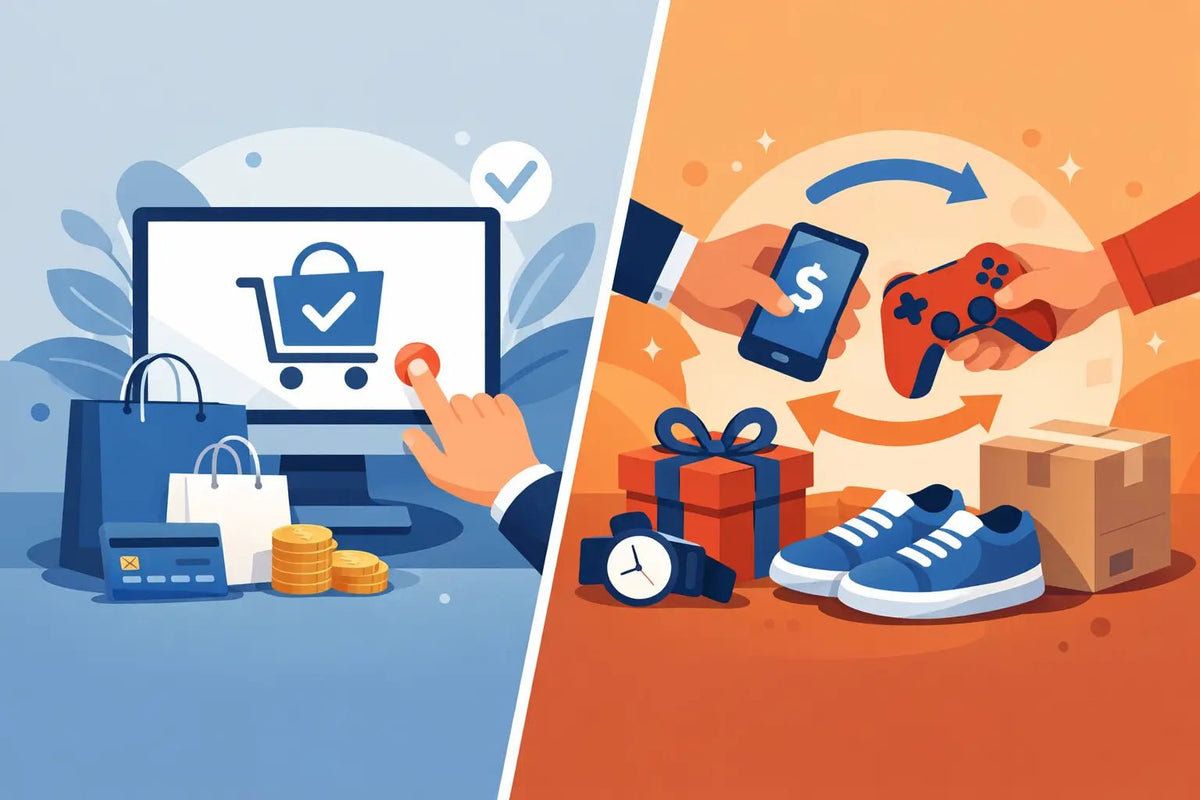
You finally spot the pet, skin, weapon, or collectible you have been chasing. Now comes the real question: direct purchase vs trading items - should you buy it and get on with the game, or spend time hunting for someone willing to make a deal? Both can work. The better move depends on what you value most: speed, price certainty, safety, or the fun of making a trade.
For players trying to finish a collection, level up their loadout, or skip another week of grinding, the difference matters. A bad trade can cost more than expected. A smart direct purchase can save hours. Here is how to choose without getting baited by hype, fake offers, or a deal that only looks good at first.
Direct Purchase vs Trading Items: The Real Difference
A direct purchase is simple: you choose the exact in-game item you want, pay a listed price, and receive it through the seller's delivery process. There is no back-and-forth negotiation, no guessing whether another player will respond, and no need to offer half your inventory for one rare item.
Trading is player-to-player. You exchange items, currency, or sometimes a mix of both with another player. The price is not fixed. Its value can change based on demand, rarity, update rumors, trend cycles, and how badly each person wants the deal.
That means direct purchases offer certainty. Trading offers flexibility and potential upside. If you enjoy the chase, know current values, and have desirable items to swap, trading can be part of the fun. If you already know what you want and want it in your inventory fast, buying directly is usually the cleaner path.
When Direct Purchase Is the Better Play
Direct purchase shines when time matters. Maybe your friends are playing tonight, a new update just dropped, or you need one final pet or weapon to complete a set. Waiting in trade servers, sending offers, and checking values can turn a five-minute goal into an all-night mission.
The biggest benefit is knowing the price before you commit. With a listed item, you can decide whether it fits your budget immediately. You do not have to keep raising your offer because another trader says your items are "under" or claims someone else is ready to pay more.
It is also easier for newer players. Trading economies can be confusing, especially in games where item values move quickly. A player may see a rare-looking item and assume it is valuable, only to find out it has low demand. A direct listing removes much of that guesswork because you are buying a specific item at a visible price.
For parents, the appeal is just as clear. A straightforward checkout and a defined total are easier to understand than a trade involving several virtual items with unclear value. Use a marketplace that explains its delivery steps, supports safe payment methods, and never asks for your account password or sensitive login details. Legitimate item delivery should not require handing over control of an account.
At BuyBlox, most automated orders are delivered in under five minutes, which is built for players who would rather play than wait around for trade replies. That speed is especially useful when the item itself is the goal, not the negotiation.
When Trading Can Be Worth Your Time
Trading is not automatically the slower or worse option. If you already own high-demand items, you may be able to trade upward without spending additional money. Skilled traders can turn several smaller collectibles into a stronger item by understanding demand, timing, and what other players actually want.
Trading can also be the only route for certain items, depending on the game and its rules. Some collectibles may not be available through a marketplace at a given time, while others may be account-bound, unavailable for trade, or restricted by game updates. Always check what the game allows before making plans around any item.
There is also a social side. Some players genuinely enjoy negotiating, building a trade inventory, and spotting value before everyone else does. For them, trading is gameplay. It is not just a way to get an item.
Still, be honest about the time cost. One successful trade may take ten messages, several declined offers, and a lot of value-checking. If you are trading because you enjoy that process, great. If you are trading only because you want one item as fast as possible, it may be the wrong tool for the job.
Price: Lowest Cost Is Not Always the Best Value
A trade can look free because no cash changes hands. But your items have value. If you give away three popular pets, a limited skin, and in-game currency for one collectible, you paid with inventory you may regret losing later.
Direct purchase makes the cost obvious. You see the amount, decide whether it is worth it, and keep the rest of your inventory untouched. This can be a strong move when you want to preserve items that may rise in value or that you personally enjoy using.
On the other hand, direct purchase may not always be the cheapest choice if you already have an item another player desperately wants. A trade could give you extra value in that situation. The key is comparing the full cost, not just the cash price.
Before accepting a trade, ask yourself three quick questions: Would I buy these offered items again if I lost them? Is the item I am receiving actually in demand? And am I trading because it is a good deal, or because I am tired of waiting? Those answers can stop an impulse trade fast.
Safety Is Where Your Choice Matters Most
Whether you buy or trade, scams target urgency. Someone may tell you an item is about to skyrocket, pressure you to trade outside the game's official system, or ask you to "prove" your items by sending them first. That is a red flag, not a shortcut.
Keep trades inside the game's approved trade window whenever possible. Review every item before confirming. Check for swapped quantities, look-alike items, and last-second changes. Never share passwords, verification codes, recovery emails, or device access with anyone claiming they need it to deliver an item or verify a trade.
With a direct purchase, choose sellers that are clear about what you receive, how delivery works, and where to get help if something goes wrong. Transparent instructions and real support matter more than flashy promises. If a deal sounds impossibly cheap but the seller will not explain delivery or keeps pushing private messages, walk away.
Parents can help by setting a spending limit before checkout and reminding younger players that digital items still have real value. A quick pause before paying or confirming a trade is often enough to catch a mistake.
Choose Based on Your Goal, Not the Hype
Buy directly when you know the exact item you want, want a fixed price, and would rather spend your time playing. It is a practical choice for completing a collection, getting ready for a session with friends, or avoiding the stress of value debates.
Trade when you have inventory to leverage, understand the market, and enjoy negotiating. It can be rewarding, but it asks more from you: patience, knowledge, and the ability to walk away from a weak offer.
There is no trophy for taking the longest route to a virtual item. If the trade hunt is fun, make it part of the game. If your goal is to equip that rare item, join your friends, and enjoy the moment, choose the route that gets you there with a price and process you feel good about.
How to Order Game Items Fast Without the Wait
Adopt Me Eggs: How to Hatch Pets and Trade Smart