
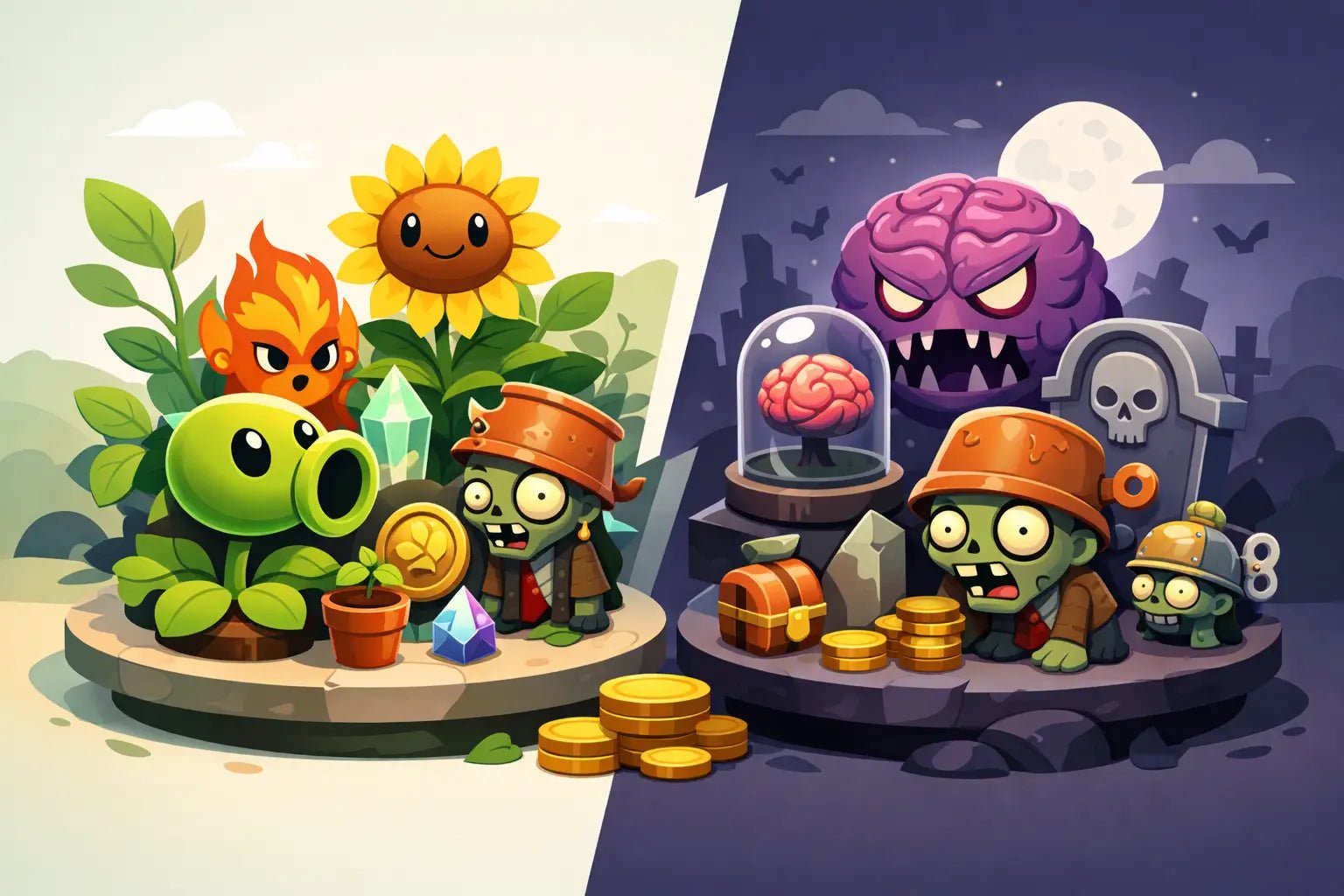
Some players want the strongest setup. Others want the item that makes people stop and say, wait, where did you get that? That is exactly why plants vs brainrots collectibles matter. In a game built around chaos, style, and progress, collectibles are not just extras. They are a big part of how players show off, complete sets, and make their inventory feel actually worth opening.
If you are deciding whether to grind, trade, or buy your way into a better collection, the smart move is knowing what makes a collectible valuable in the first place. Not every rare-looking item holds the same weight. Some are hyped for a week and then forgotten. Others stay in demand because they look good, tie into limited events, or are tough enough to get that players keep chasing them long after the drop window closes.
Why plants vs brainrots collectibles matter
The biggest reason players care about plants vs brainrots collectibles is simple - they give your account identity. In games with active communities, your loadout and inventory say a lot before you type a single message. A strong collectible can signal that you were early, lucky, dedicated, or just smart enough to grab it before prices moved.
There is also the collection side of it. A lot of players are not only chasing power. They want a complete set, a themed inventory, or that one missing piece they have been staring at for days. That kind of goal keeps collectibles relevant even when they do not directly impact gameplay.
Then there is trading appeal. Even if you are not collecting for the long haul, the right item can give you leverage later. Limited or high-demand collectibles often hold attention because other players want them too. That does not mean every collectible turns into a great trade asset, but the better ones usually give you more options than random common drops.
What makes a collectible worth chasing
Rarity is the obvious answer, but it is not the only one. A collectible can be technically rare and still have weak demand if nobody really likes how it looks or if it came from an event people did not care about. On the flip side, an item can stay hot because it has a strong design, a funny theme, or ties into a moment in the game that players remember.
Availability matters a lot. If an item was only around for a short event or came from a limited-time reward pool, it tends to attract more long-term interest. Players hate missing out, and that feeling alone can keep demand alive. But there is a trade-off. Some event items get overhyped early, then settle once enough players realize they are not as hard to find as expected.
Visual appeal is another factor that gets underestimated. In games like this, players do not always chase the mathematically best thing. They chase the thing that looks cool, feels funny, or stands out in a crowded server. A collectible with strong meme value or clean design can stay relevant longer than a technically rarer item with zero personality.
Utility can push value too, but it depends on the item type. If a collectible helps with progression, prestige, or some part of gameplay, players may be willing to pay more for it. If it is purely cosmetic, demand leans more on flex value and collector interest. Neither is bad. It just changes who wants it and why.
The different types of plants vs brainrots collectibles
Not all collectibles play the same role in your inventory. Some are there to complete a themed set. Some are status pieces. Some are just fun pickups that become more interesting once they are no longer easy to find.
Cosmetic collectibles usually win on flex value. These are the items players notice first, especially if they are flashy, weird, or clearly limited. They may not change your performance, but they can absolutely change how your account looks to other players.
Event collectibles usually win on scarcity. If something dropped during a special update, holiday event, or short-time challenge, it tends to matter more after the event ends. These items often become conversation pieces because newer players cannot simply log in and grab them.
Set-based collectibles attract completionists. If the game encourages collecting full groups of related items, demand can spread across pieces that would not look impressive on their own. One average item becomes much more valuable when it is the last thing someone needs to finish a set.
That is why the question is not just, is this rare? The better question is, who wants this item a month from now? If the answer is collectors, traders, flex players, and newer players trying to catch up, you are usually looking at something with real staying power.
Grind, trade, or buy?
This is where most players get stuck. Grinding feels rewarding, but it can also eat hours for one drop that never appears. Trading can work, but it depends on timing, market knowledge, and finding someone who actually wants what you have. Buying is the fastest route, but only if you use a marketplace that is clear, safe, and built for quick delivery.
Grinding makes sense if you enjoy the game loop and do not mind uncertainty. Some players genuinely like the chase. If that is you, the time spent is part of the fun. But if you are only grinding because you feel like you have to, it can get frustrating fast.
Trading works best if you already have decent inventory value. The problem is that newer players often overpay, get lowballed, or waste time in bad offers. In collectible-heavy communities, experience matters. Knowing item demand is just as important as knowing rarity.
Buying makes the most sense when you know exactly what you want and do not want to spend days trying to get it. That is especially true for players who care about instant progress, clean checkout, and not dealing with random trade drama. For parents, this route can also feel easier because the process is more controlled when the platform is reputable and does not ask for sensitive account access.
How to shop smart for collectibles
The smartest buyers do not just chase the first shiny item they see. They look at a few things first.
Start with demand, not just rarity. A rare item with weak interest can be harder to move later. If your goal is pure collection, that may not matter. If you want flexibility, demand matters a lot.
Next, think about timing. Event windows, update cycles, and community hype can all affect how attractive an item feels. Buying during peak hype can be worth it if you really want the item right away, but waiting can sometimes get you a better deal. It depends on whether supply is likely to dry up or flood the market.
You should also care about delivery speed and safety. This part gets overlooked until something goes wrong. A good marketplace should make the process simple, offer clear instructions, and avoid asking for anything sketchy like passwords. That kind of trust matters, especially for younger players and parents who want fewer risks and less confusion.
One reason platforms like BuyBlox stand out is that the value is not only the item itself. It is the fast checkout, instant delivery setup, and the fact that players can get what they need without turning the process into a whole side quest.
When a collectible is not worth it
Not every item deserves the hype. If a collectible is only trending because of a short burst of social buzz, be careful. Some items look expensive for a day and then cool off once attention moves on. That does not make them bad, but it does mean you should know whether you are buying for personal enjoyment or expected trade value.
Another red flag is buying just because something is labeled limited. Limited does not always mean desirable. If the design is weak, the theme is forgettable, or the game keeps pumping out similar items, scarcity alone might not carry it.
There is also a budget side to this. Chasing every collectible is usually a fast way to waste currency or real money. A better move is being selective. Go for the items that fit your style, complete a set you actually care about, or give you a strong balance of rarity and demand.
The best approach for most players
For most players, the best strategy is not all grinding or all buying. It is a mix. Grind the stuff you enjoy earning. Trade when you have enough knowledge to avoid bad deals. Buy the items that save you time, finish key sets, or give you the exact collectible you have been missing.
That approach keeps the game fun without making progress feel slow. It also helps you avoid panic decisions, which happen a lot when hype spikes around new collectibles. If you know what you want and why you want it, you are less likely to overpay or fill your inventory with stuff you do not even like.
The real value of collectibles is not just price or rarity. It is how well they fit your goals. Maybe that means building the cleanest inventory in the server. Maybe it means locking in event items before they disappear. Maybe it just means finally getting the one piece that makes your collection feel complete. If a collectible gets you closer to that, it is probably worth your attention.
Escape Tsunami Gear Purchase Guide
Buy Roblox Items Without Password Safely